Ocean Rowing: The Ultimate Test of Strength, Survival, and Spirit
Ocean rowing is not just a sport. It is a brutal, beautiful, life-changing battle between human will and the open sea. Unlike flat-water rowing, where races are measured in minutes and meters, ocean rowing is measured in weeks, waves, storms, sleep deprivation, and thousands of miles of blue wilderness.
It is one of the purest endurance challenges on Earth: no engine, no sail, no shortcut. Just a small rowing boat, a crew or solo rower, and an ocean that never stops moving.
What Is Ocean Rowing?
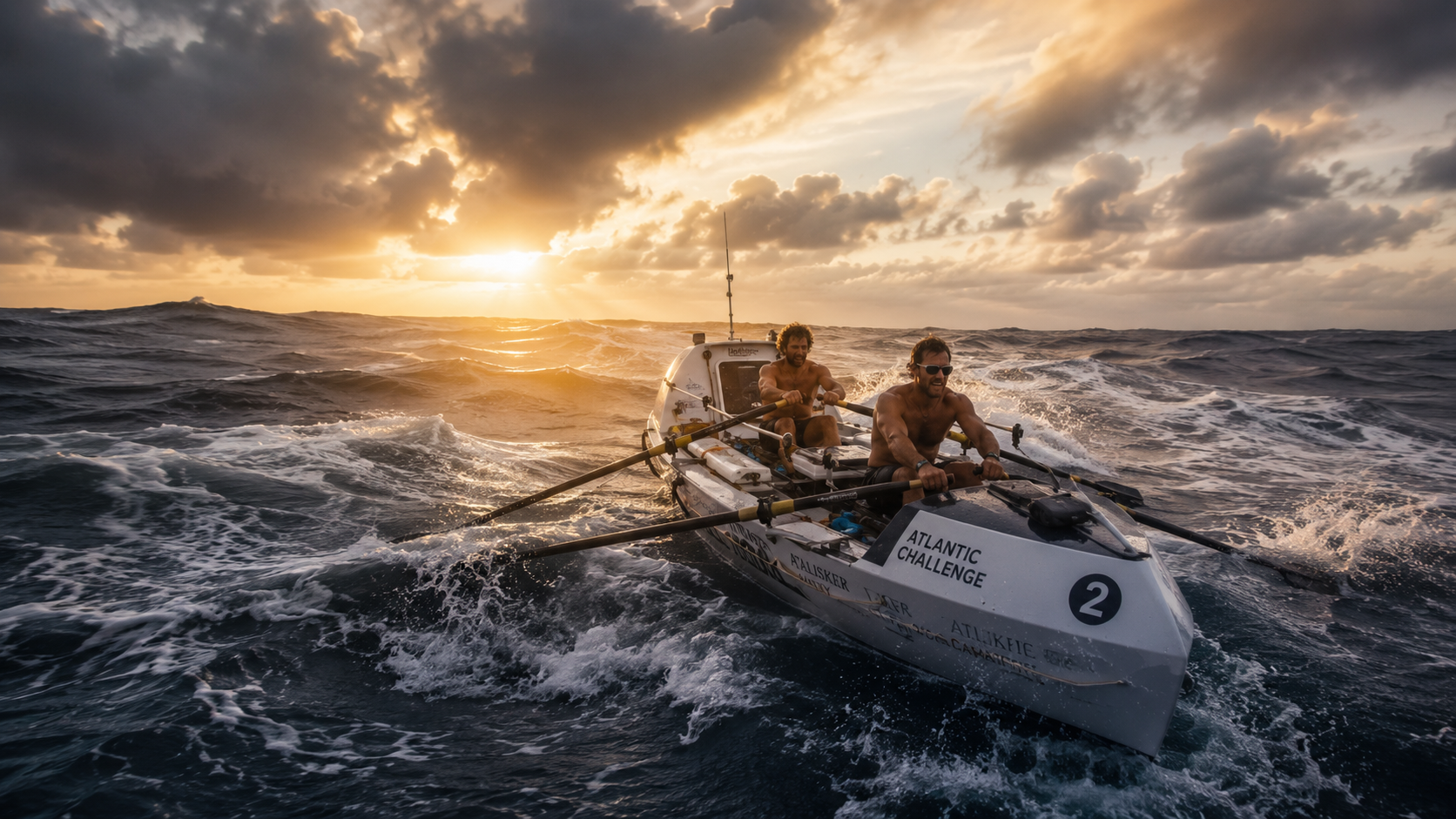
Ocean rowing is the act of crossing large bodies of open water in a specially designed rowing boat. These boats are built to survive extreme conditions, including violent storms, huge swells, capsizes, scorching heat, freezing nights, and long stretches of isolation.
A typical ocean rowing boat includes:
Small cabins for sleeping and shelter
Solar panels for navigation and communication equipment
Watermakers to turn seawater into drinking water
Storage for freeze-dried meals and emergency supplies
Manual rowing stations where athletes row in shifts
The challenge is simple in concept but savage in reality: keep the boat moving until you reach land.
Why Ocean Rowing Is So Extreme
Ocean rowers face a combination of physical, mental, and environmental pressure that few sports can match.
The body takes a constant beating. Rowers often work in shifts, such as two hours rowing and two hours resting, day and night. Hands blister, backs ache, salt sores develop, and sleep becomes broken into tiny fragments.
The mind is tested just as hard. There are no crowds, no stadium lights, and no easy escape. Rowers deal with loneliness, fear, boredom, hallucinations, conflict with teammates, and the endless psychological weight of the ocean.
Then there is the sea itself. Weather systems can push a boat backward. Waves can flip it. Equipment can break. Wildlife can appear without warning. Even simple tasks like eating, using the toilet, or changing clothes become difficult on a rocking boat.
That is why ocean rowing is often described as more than a race. It is survival with oars.
Major Ocean Rowing Events
Ocean rowing has grown into a global endurance scene, with organized races, record attempts, charity expeditions, and coastal rowing formats gaining more attention every year.
1. World’s Toughest Row – Atlantic
The World’s Toughest Row – Atlantic is one of the most famous ocean rowing races in the world. It brings together solo rowers, pairs, trios, fours, and larger crews to cross the Atlantic Ocean in a rowing boat. The event is organized by Atlantic Campaigns, which has run the race since 2012, and it is widely promoted as the world’s premier ocean rowing event.
The Atlantic route traditionally involves rowing from the Canary Islands to the Caribbean, covering roughly 3,000 miles of open ocean. Competitors battle sleep deprivation, salt sores, extreme heat, storms, and the emotional challenge of being completely exposed to the Atlantic.
What makes this event special is its mix of elite endurance and ordinary people doing extraordinary things. Many crews are not professional athletes. They are teachers, veterans, parents, business owners, students, and charity fundraisers who decide to take on something almost unimaginable.
2. World’s Toughest Row – Pacific
The World’s Toughest Row – Pacific is another major challenge from the same race family. The Pacific edition starts in Monterey, California, and sends teams across the mid-Pacific, with the race beginning in June each year.
The Pacific is a different beast from the Atlantic. It is vast, remote, and psychologically intimidating. Weather systems can be unpredictable, and the distance between safe harbors makes the challenge feel even more isolated. Teams must manage navigation, food, repairs, morale, and fatigue while crossing one of the largest stretches of ocean on the planet.
3. Atlantic Dash
The Atlantic Dash is another annual Atlantic rowing event, described by its organizers as a 3,200-mile ocean rowing race from Lanzarote to Antigua.
This event captures the raw appeal of ocean rowing: ordinary people pushing themselves across an extraordinary distance. Like other Atlantic races, it involves long days at sea, constant rowing shifts, harsh living conditions, and a complete reliance on the crew’s preparation and resilience.
4. World Rowing Coastal and Beach Sprint Events
Not all ocean-related rowing takes place across entire oceans. Coastal rowing and beach sprint rowing are fast-growing disciplines that bring rowing closer to spectators.
The 2026 World Rowing Beach Sprint Finals are scheduled for October 18–21, 2026, in Qingdao, China. Events include men’s, women’s, mixed, junior, and para-rowing categories.
Beach sprints are short, explosive, and dramatic. Athletes sprint from the beach to their boats, row around buoys through waves, return to shore, and sprint to the finish line. It combines rowing skill, running speed, surf handling, and chaos in a way that is easy for audiences to understand and exciting to watch.
This format is especially important because beach sprint rowing is set to appear at the Los Angeles 2028 Olympic Games, increasing global attention on ocean-style rowing disciplines.
What Happens During an Ocean Rowing Race?
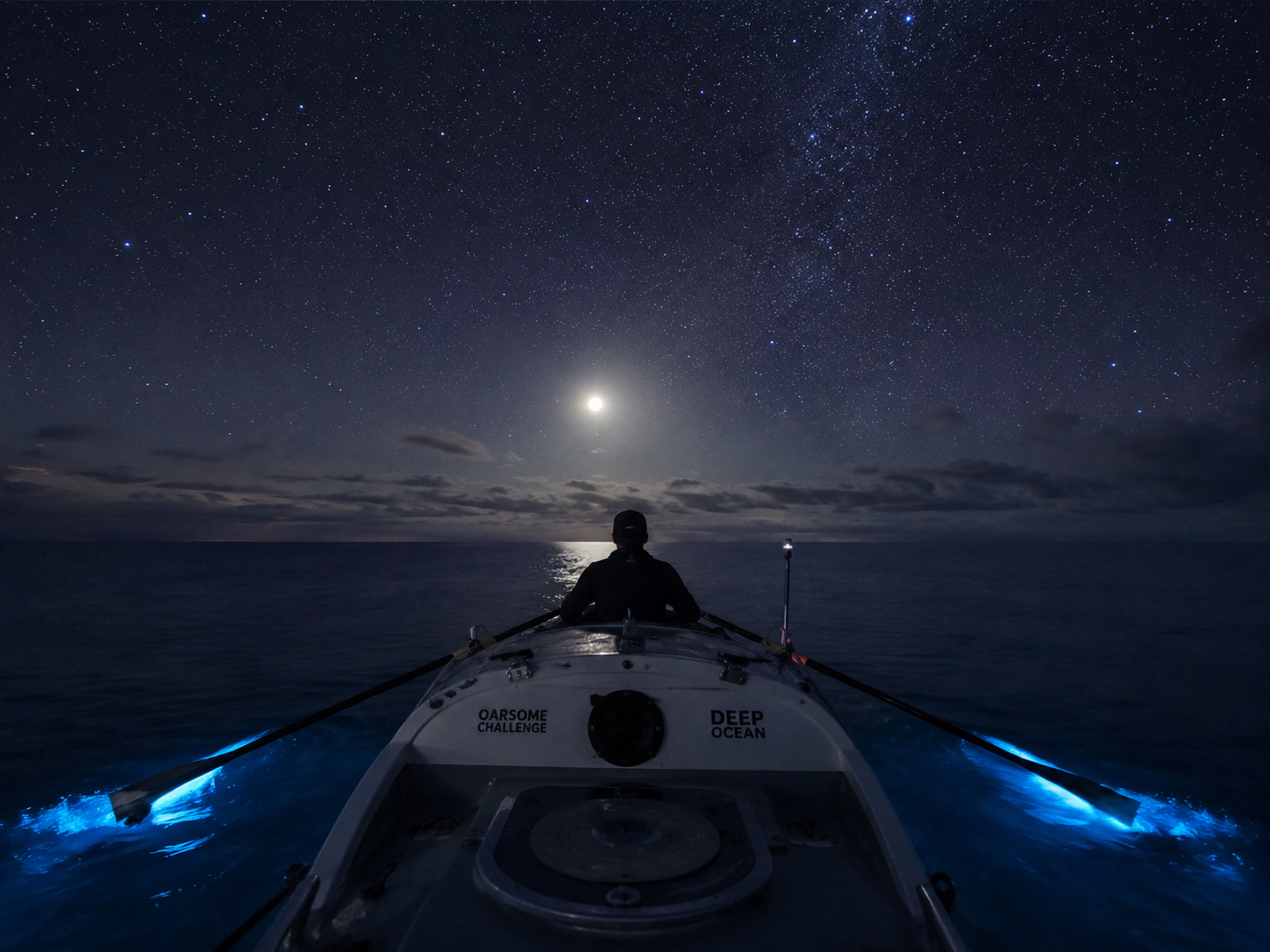
A typical ocean rowing race is a world of routine and crisis.
Most crews row around the clock.
In pairs or teams, rowers often alternate shifts so the boat keeps moving 24 hours a day.
Solo rowers must balance rowing, sleeping, eating, navigating, and repairing equipment entirely on their own.
A normal day can include:
Rowing through sunrise after a sleepless night
Eating high-calorie freeze-dried meals
Checking weather updates and navigation
Repairing broken seats, oars, electronics, or watermakers
Cleaning salt sores and blisters
Calling race safety teams or family by satellite phone
Watching dolphins, birds, or flying fish appear beside the boat
Fighting through fear when storms arrive
The ocean creates extremes. One day can feel magical and peaceful. The next can feel terrifying. That emotional whiplash is part of what makes ocean rowing so powerful.
The Training Behind Ocean Rowing
Ocean rowing success starts long before the boat reaches the start line. Crews spend months or years preparing.
Training usually includes:
Physical conditioning: Rowers build endurance, strength, grip resilience, and injury resistance.
Technical rowing practice: Ocean rowing is not as smooth as rowing on a river or lake. Athletes must learn how to row in waves, wind, and unstable conditions.
Navigation and seamanship: Crews need to understand charts, weather, tides, currents, emergency signals, and boat handling.
Survival training: Capsize drills, sea survival courses, first aid, and emergency communication are essential.
Mental preparation: The hardest part is often not the rowing itself. It is staying calm when tired, scared, wet, hungry, and isolated.
A crew can be physically strong and still fail if they cannot communicate, solve problems, and stay emotionally steady under pressure.
The Human Side: Why People Do It
The obvious question is: why would anyone choose to row across an ocean?
The answer is rarely simple.
Some rowers do it for adventure. Some do it to raise money for charity. Some are chasing records. Some are recovering from grief, trauma, illness, or major life changes. Others want to discover what they are truly capable of when comfort is stripped away.
Ocean rowing has a way of reducing life to essentials: move, eat, sleep, survive, continue. In that simplicity, rowers often find something profound.
The ocean does not care about status, money, job title, or ego. It only asks one question: can you keep going?
Famous Ocean Rowing Achievements
Ocean rowing is full of remarkable stories. One recent example is the Maclean brothers, who set a record for the fastest row across the Pacific from South America to Australia, completing a 9,000-mile human-powered journey in 139 days, 5 hours, and 52 minutes. Their expedition also raised money for clean water initiatives.
Another example is the father-son team Tim and Harrison Crockett, who completed a 2,400-mile unsupported row from San Francisco to Hawaii, finishing in Hilo Bay after nearly 48 days at sea.
These stories show that ocean rowing is not only about winning races. It is about courage, relationships, causes, and the deep human desire to cross impossible distances.
Why Ocean Rowing Events Are Growing
Ocean rowing events are becoming more popular because they combine adventure, storytelling, endurance sport, and environmental awareness.
They are also highly personal. Every boat has a story. Every crew has a reason. Followers can track teams online, watch their progress across the ocean, read updates from the boat, and feel connected to the journey.
The sport also fits modern adventure culture. It is raw, authentic, dangerous, and emotional. Unlike many sports that happen in controlled arenas, ocean rowing happens in an environment that cannot be controlled.
That unpredictability is exactly what makes it compelling.
The Beauty of the Sport
For all its pain, ocean rowing also offers rare beauty.
Rowers describe night skies filled with stars, glowing plankton in the water, whales surfacing nearby, sunrises that feel spiritual, and moments of silence so deep they change how a person sees the world.
In those moments, the suffering becomes part of something larger. The rower is no longer just racing. They are moving through one of Earth’s greatest wildernesses by human power alone.
That is the magic of ocean rowing.
Final Thoughts
Ocean rowing is one of the most demanding endurance challenges on the planet. It asks everything from the people who attempt it: strength, patience, humility, courage, teamwork, and resilience.
The major events, from the World’s Toughest Row to Atlantic Dash and World Rowing’s coastal and beach sprint competitions, show how diverse the sport has become. Some races cross entire oceans. Others explode across beaches in minutes. But all of them share the same spirit: human beings testing themselves against water, weather, and doubt.
Ocean rowing is not just about reaching the finish line.
It is about who you become while trying to get there.