The Ultimate Family Guide to Freediving: What It Is and the Best Spots in the World
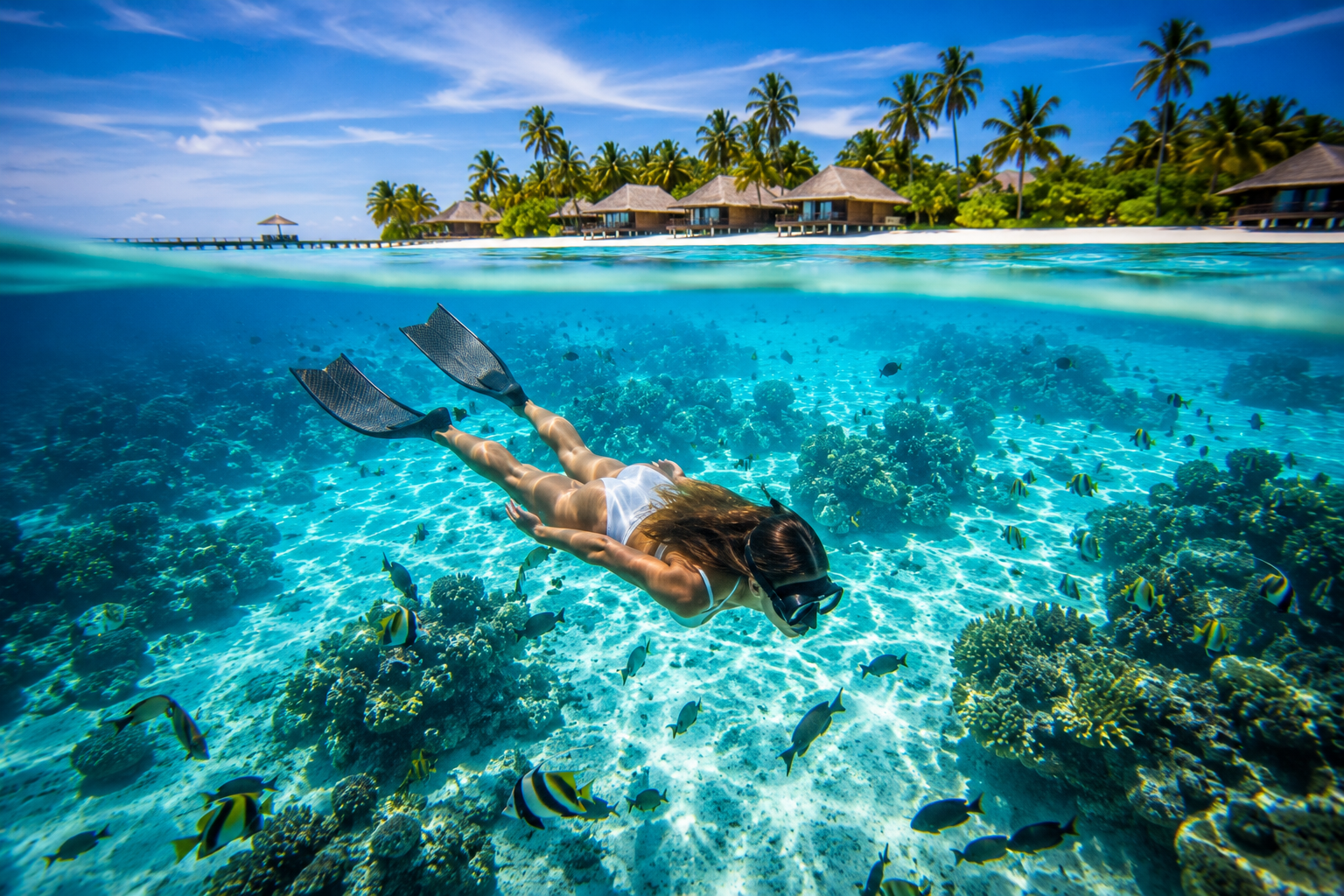
Freediving looks almost unreal the first time you see it. One deep breath. A quiet dive beneath the surface. No bulky tanks. No loud bubbles. Just pure connection with the ocean.
For adventurous families, ocean lovers, and kids growing up around beach culture, freediving is becoming one of the coolest ways to explore the water naturally and peacefully.
It combines swimming, breath control, ocean awareness, and a sense of calm that makes every dive feel like an underwater adventure movie.
Whether your family already loves surfing, snorkeling, paddleboarding, or beach camping, freediving can be an exciting next step into ocean exploration.
In this guide, we’re breaking down:
What freediving actually is
Why people love it
Basic safety tips
The best freediving spots in the world
Gear recommendations for beginners
Let’s dive in.
What Is Freediving?
Freediving is underwater diving without scuba tanks or breathing equipment. Divers hold their breath while exploring reefs, caves, marine life, and deep blue water.
Unlike scuba diving, freediving is:
Lightweight
Quiet
More natural-feeling
Easier to travel with
Often more beginner-friendly for ocean-loving families
Some people freedive recreationally near reefs or beaches, while others train for depth and performance competitions.
But for most families and travelers, freediving is really about:
Adventure
Ocean connection
Wildlife encounters
Mindfulness
Having fun in the water
And yes — it’s way cooler than simply floating with a snorkel.
Why Families Are Getting Into Freediving
One reason freediving has exploded in popularity is because it blends adventure with simplicity.
You don’t need heavy equipment or a boat full of gear. You just need:
Fins
A mask
Comfortable water conditions
Proper safety knowledge
For kids and teens who already love swimming, surfing, or snorkeling, freediving can feel like discovering a secret underwater world.
Parents also love that it encourages:
Water confidence
Respect for the ocean
Focus and breathing control
Outdoor activity away from screens
The key is always starting slowly and learning safely.
Important Freediving Safety Tips
Freediving is incredibly rewarding, but safety always comes first.
Here are a few beginner rules every family should know:
Never Dive Alone
Always use the buddy system. Even experienced freedivers never dive solo.
Take a Course
A certified freediving class teaches:
Breath techniques
Equalization
Safety procedures
Rescue basics
Stay Relaxed
Freediving isn’t about forcing depth. Calm breathing and relaxation are more important than pushing limits.
Start Shallow
Begin with shallow reefs, calm beaches, and easy conditions before attempting deeper dives.
Respect Conditions
Currents, waves, and visibility can change quickly. Always check local conditions before entering the water.
The Best Freediving Spots in the World
Some places just feel made for freediving. Crystal-clear water, colorful reefs, marine life, and calm conditions create unforgettable underwater experiences.
Here are some of the world’s most amazing freediving destinations.
Raja Ampat, Indonesia
If freediving had a fantasy level, Raja Ampat would be it.
This remote island paradise is famous for:
Electric blue water
Massive coral diversity
Sea turtles
Giant manta rays
Warm tropical conditions
The reefs here are incredibly alive, making every dive feel cinematic.
Why families love it:
Calm lagoons
Incredible snorkeling too
Eco-friendly adventure vibe
The Maldives
The Maldives feels like it was built specifically for underwater adventure.
Freedivers come here for:
Visibility that seems endless
Gentle drift dives
Reef sharks
Coral gardens
Warm water year-round
It’s especially great for beginners because many areas have calm, shallow reefs close to shore.
Hawaii, USA
Hawaii has become one of the most iconic freediving destinations in the world.
Why?
Because it combines:
Volcanic underwater landscapes
Sea caves
Dolphins
Lava rock formations
Epic Pacific blue water
Oahu and the Big Island are especially popular for beginners and experienced divers alike.
Bonus: Families can combine freediving with surfing, hiking, camping, and beach days all in one trip.
Dahab, Egypt
Dahab is legendary in the freediving community.
Located on the Red Sea, it’s known for:
Extremely clear water
Stunning reefs
Affordable training schools
Relaxed beach-town atmosphere
The famous Blue Hole attracts advanced divers, but there are also plenty of beginner-friendly sites nearby.
French Polynesia
Think turquoise lagoons, tropical fish, and dramatic mountain backdrops.
Freediving in places like Bora Bora or Moorea feels almost unreal.
Highlights include:
Stingrays
Sharks
Coral reefs
Calm warm water
It’s one of the dreamiest family travel destinations on Earth.
Silver Bank, Dominican Republic
This one is truly unforgettable.
Silver Bank is famous for humpback whale encounters. During migration season, freedivers can experience respectful, regulated whale interactions in open ocean conditions.
It’s more advanced and weather-dependent, but absolutely bucket-list worthy.
Beginner Freediving Gear Essentials
You don’t need a mountain of gear to get started.
A few quality essentials make a huge difference:
Low-Volume Mask
Helps with easier equalization underwater.
Long Freediving Fins
Designed for efficient movement with less energy.
Comfortable Wetsuit
Keeps you warm and buoyant during longer sessions.
Snorkel
Simple and flexible is usually best.
Dive Buoy
Adds visibility and safety in open water.
Families getting started often appreciate durable, travel-friendly gear that can handle beach trips, camping adventures, and everyday ocean exploring.
Why Freediving Feels Different
People often describe freediving as peaceful in a way other sports aren’t.
There’s no engine noise.
No heavy breathing sounds.
No rushing.
Just:
Sunlight underwater
Slow movement
Ocean sounds
Total focus
For kids especially, it can create unforgettable memories and genuine respect for the ocean environment.
It’s not about going deeper than everyone else.
It’s about exploring naturally and enjoying the experience safely.
Final Thoughts
Freediving combines adventure, ocean exploration, travel, and mindfulness into one unforgettable experience.
Whether your family is snorkeling shallow reefs in Hawaii or dreaming about crystal-clear lagoons in the Maldives, freediving opens up a completely new way to experience the water.
Start small.
Learn safely.
Respect the ocean.
And most importantly — have fun with it.
At Shore Boy, we’re all about helping families spend more time outdoors, explore confidently, and create adventures kids will remember forever.
Because the best memories usually start where the sand ends and the water begins.